

How AI is Changing the Recruitment Process – For Better and Worse
 My inbox is constantly bombarded with AI tools and software solutions that claim to solve the challenges of hiring. As an executive search professional, I’ve had a range of reactions from curiosity to annoyance to apprehension, but, ultimately, I remain largely ambivalent.
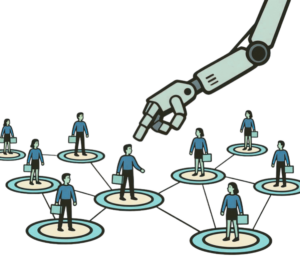
AI, resume screeners, and other emerging technologies can certainly accelerate the vetting and hiring process for certain entry-level and frontline positions. However, this hands-off automation often works against companies when it comes to hiring more senior employees. An overreliance on technology has created a frictionless process for posting jobs, applying, screening candidates, and issuing rejections – one that removes human-to-human interaction and, ironically, reinforces the perceived need for even more technology.
When a job posting receives several thousand applications, no single individual can realistically review every resume. As a result, companies rely on shortcuts. This creates situations where highly qualified candidates fall out of the process because their resumes are rejected before a human ever sees them. In other cases, the hiring process is stalled because no one person is steering the search, or it falls apart at the offer stage due to an issue that could have been resolved with a simple phone call.
Companies are leaning too heavily on job boards, HRIS platforms, ATS systems, and junior recruiters to manage the hiring process. While these work to reduce friction and touchpoints with candidates, companies often ask those same candidates to jump through more hoops. There is a fine line between a collaborative hiring process and having too many cooks in the kitchen. Asking someone who is already employed to carve out time for multiple rounds of interviews can drive strong candidates away. From the outside looking in, it can also signal indecisiveness.
Everyone can feel the effects of today’s stagnant, “low-fire, low-hire” job market. There are fewer unemployed candidates actively looking for work, and there are significantly fewer employed individuals interested in launching a job search. The result is a shallower talent pool for any given position. Logic would suggest that prospective candidates should receive more attention and engagement throughout the hiring process. In my experience, however, I’ve often seen the opposite.
I understand that most hiring managers feel stretched thin and unable to devote additional time to recruiting. However, the relationship between a candidate and a hiring manager, or another senior executive, begins during the interview process. Missed Zoom meetings, constant rescheduling, unnecessary interview stages, and unexplained delays can mean the difference between a successful long-term hire and a candidate withdrawing with an unfavorable impression of the company. Hiring managers and organizations need to make as compelling a case as possible to attract top talent.
Companies must be thoughtful about when and where technology adds value and when a more personal approach is warranted. Just as a well-crafted follow-up note can help a candidate stand out, small gestures from hiring managers can make a meaningful difference when the hiring process begins to feel overly transactional. A quick email from a hiring manager or HR professional answering an unresolved question can go a long way.
I recommend that hiring managers send their own Zoom or Teams invitations whenever possible. Doing so allows them to communicate last-minute changes more effectively and establish a direct line of communication with candidates. I also recommend designating a single individual to lead a search from start to finish rather than relying on committee-driven hiring or assuming technology will keep everything on track.
Most hires, even at the senior level, can be completed in three steps: an initial screening conversation, an interview with the hiring manager, and a final in-person interview involving other key stakeholders. Bringing in additional executives solely to create consensus often slows the process and can waste everyone’s time.
With AI supposedly coming for everyone’s jobs, humans still need to hire other humans. Technology can support that process, but it cannot fully replace it.
At least not yet.